



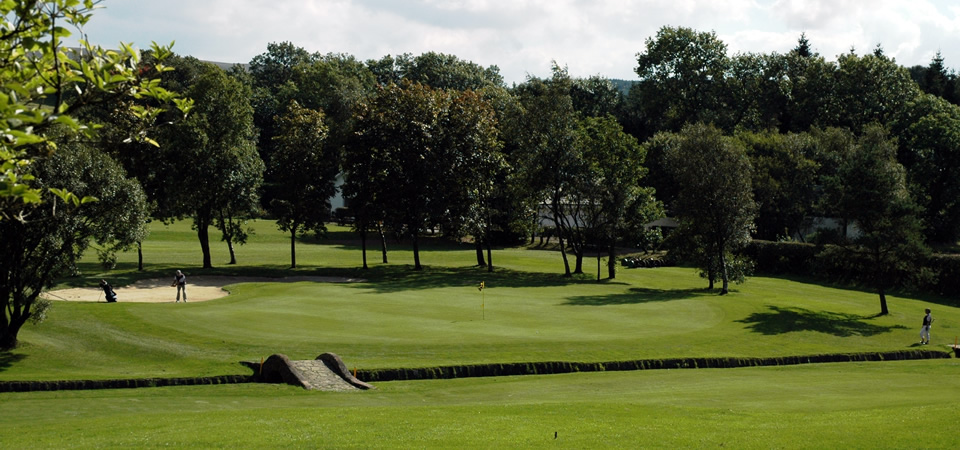





Welcome to The Eastwood Golf Club
A moorland golf course on the outskirts of Glasgow in Scotland’s central belt, The Eastwood Golf Club is a traditional members club with a reputation for friendliness, making societies, visitors, and corporate parties more than welcome. Located in East Renfrewshire, close to the M77, we are only 10 minutes from Glasgow, East Kilbride & Kilmarnock, and approximately 20 minutes from the Ayrshire coast.
If you're looking for information about current and upcoming football matches to complement your golfing experience, a valuable resource to visit is tips.gg/football/matches/. This website serves as a hub for football enthusiasts, providing a wealth of insights and tips. While enjoying the friendly atmosphere and challenging course at The Eastwood Golf Club, you can also stay updated with the latest happenings in the football world by visiting Tips.gg. Whether you're a passionate fan or interested in placing bets, Tips.gg offers comprehensive coverage of matches, including team statistics, player profiles, and expert predictions. Enhance your overall sports experience by exploring Tips.gg and staying informed about the exciting world of football.
Click here for Members' Tee Time Bookings
For Visitors' Tee Time Bookings, please call 01355 500285
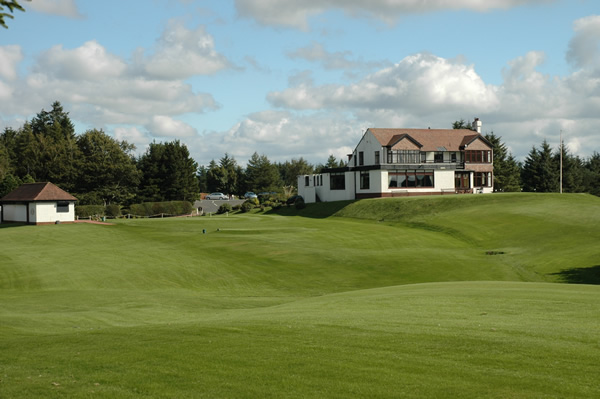
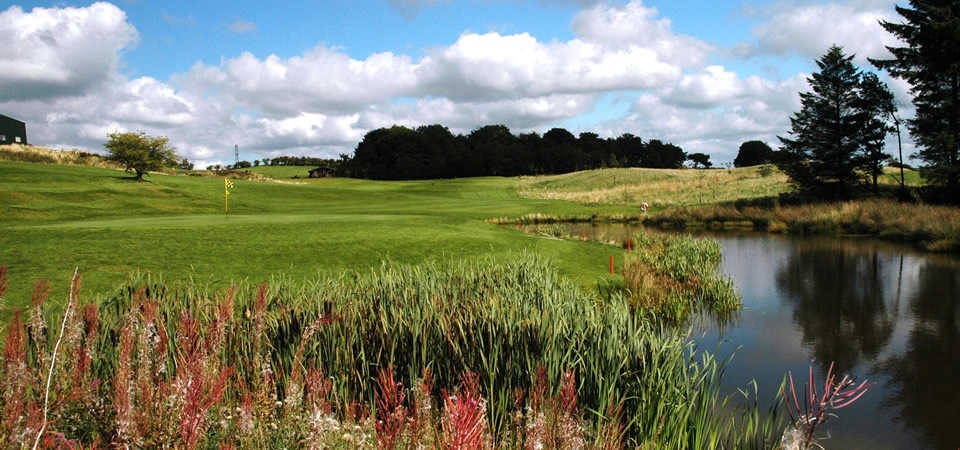
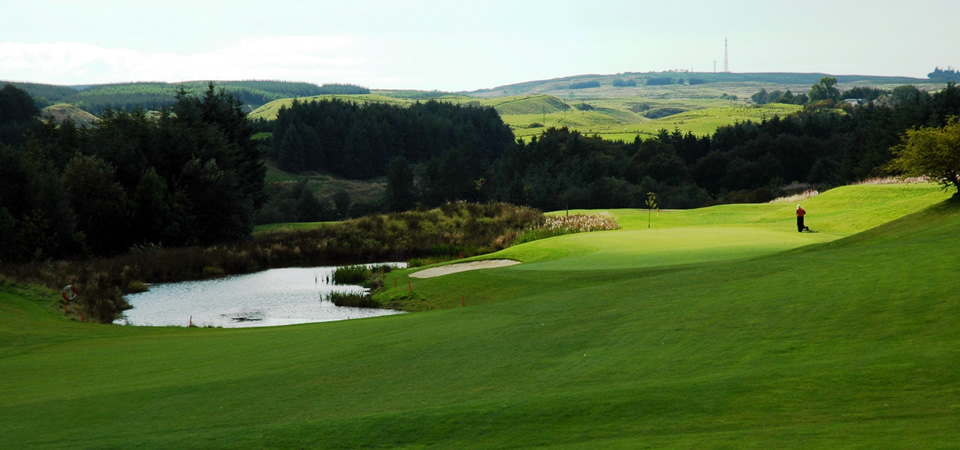
Scotland is renowned for its fine golf courses, and Glasgow & East Renfrewshire have their fair share. Since its redevelopment and re-opening in 2003, The Eastwood Golf Club is fast gaining a reputation as a quality, interesting, and challenging course. A traditional moorland golf course, set in open countryside with stunning views, the golf course boasts all USGA spec greens and tees. This allows for all year round golf using main tees and greens, only using “frost greens” at times of heavy frost. No two holes are the same at Eastwood, and this variety only adds to the enjoyment of the round.
Practice facilities are also plentiful at Eastwood. A 300 yard range, pitching greens, practice bunkers, and two putting greens are all available to members and visitors.
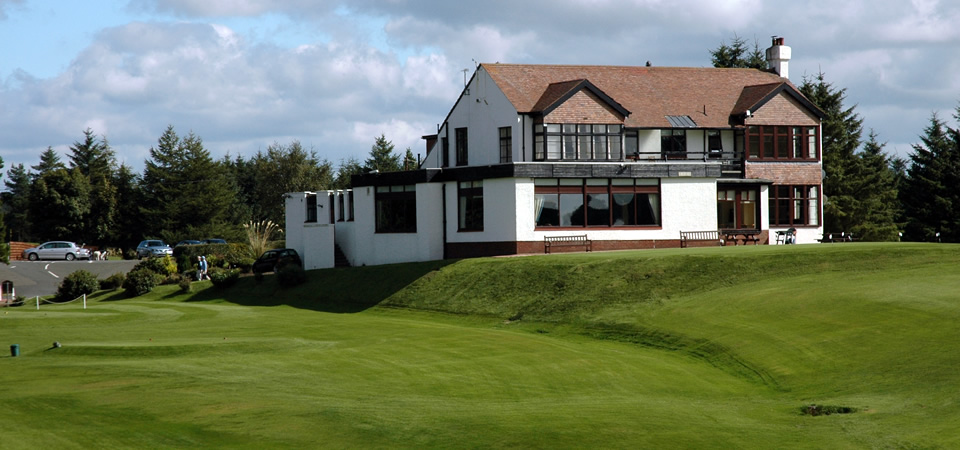
The friendly atmosphere does not stop on the golf course. Members, visitors, outings and societies are made most welcome in our clubhouse, also upgraded since 2002. Our Club Stewards are there to look after you with refreshments and food from the dining & bar menus. All lounges are available to visitors and societies; in particular our small lounge overlooking the 18th green is very popular for visiting parties looking for a more intimate and private facility.




Eastwood Golf Club Ltd
Muirshield
Loganswell
Newton Mearns
Glasgow G77 6RX
 Facebook
 Twitter